

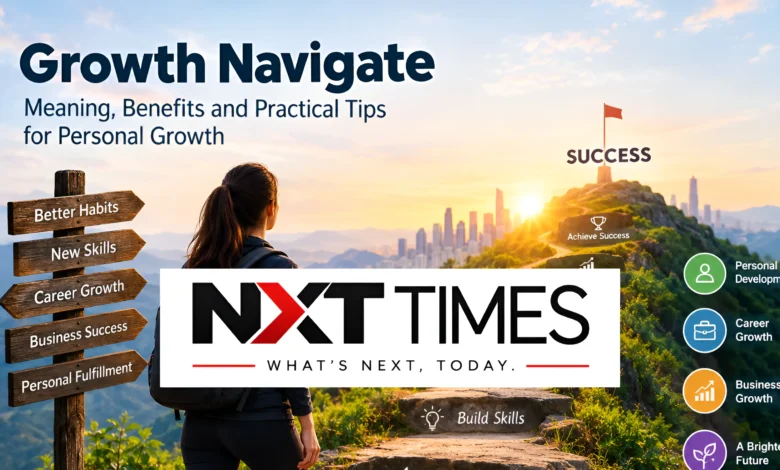
Growth navigate is a concept centered on finding the right direction for personal development, career success, and business growth. It involves setting clear goals, learning new skills, overcoming challenges, and making better decisions for the future.
Whether you want to improve your career, develop better habits, or grow a business, having a clear plan can make progress easier. Growth navigation helps you understand where you are, identify opportunities, and take practical steps toward your goals.
In this guide, you will learn what growth navigate means, why it matters, and how to apply its principles to everyday life.
What Is Growth Navigate?
Growth navigate refers to the process of planning, managing, and improving your journey toward personal or professional goals. It combines the idea of growth with the ability to navigate challenges and choose a clear direction.
The phrase can apply to different areas of life. For example, a student may use growth navigation to develop new skills. A professional may use it to advance a career. A business owner may apply similar principles to improve performance and identify new opportunities.
The main goal is to make progress through informed decisions, consistent effort, and continuous learning.
Why Is Growth Navigate Important?
Growth navigation can help people approach their goals with greater focus and purpose. Instead of making random decisions, they can identify priorities and create a practical plan.
1. Provides Clear Goals
Clear goals help you understand what you want to achieve. They also make it easier to decide which tasks deserve your time and attention.
For example, someone who wants career advancement can identify the skills, qualifications, and experience needed for the next step.
2. Encourages Continuous Learning
Learning new skills is an important part of personal and professional growth. Reading, training, and practical experience can help you improve your knowledge.
Continuous learning also prepares you to adapt when your responsibilities or circumstances change.
3. Improves Decision-Making
Growth navigation encourages thoughtful decisions. By reviewing your priorities and available options, you can choose actions that support your long-term goals.
This approach can be useful when changing careers, starting a business, or developing new personal habits.
4. Builds Resilience
Challenges are a normal part of growth. A setback may reveal a weakness in your plan or show that a different approach is needed.
Learning from these experiences can help you become more adaptable and confident when facing future difficulties.
For more helpful guides and the latest updates, visit nxttimes.com.
How to Navigate Growth Successfully
You can begin your growth journey with a few practical steps. The key is to stay consistent and adjust your approach when necessary.
Set Clear and Realistic Goals
Start by identifying what you want to improve. Your goal might involve learning a skill, advancing your career, improving time management, or building a business.
Make your goal specific and realistic. Then divide it into smaller tasks that you can complete one at a time.
Create a Growth Plan
A growth plan gives you a clear path to follow. Write down your main objective, the actions required, and a reasonable timeline.
You should also identify the resources you need. These may include educational materials, professional guidance, financial resources, or additional practice.
Review your plan regularly to make sure it still supports your priorities.
Track Your Progress
Monitoring your progress helps you understand whether your efforts are producing results.
You can use a journal, calendar, checklist, or digital planning tool. Record completed tasks and identify areas that need more attention.
Small achievements can provide useful feedback and help you maintain motivation.
Learn From Mistakes
Mistakes do not have to end your progress. Instead, examine what happened and identify what you can improve.
Ask yourself whether your goal was realistic, your strategy was effective, and your available resources were sufficient.
Use these lessons to make better decisions in the future.
Growth Navigate for Personal Development
Personal development involves improving your habits, mindset, communication, and everyday decisions.
Growth navigation can help you approach these changes with a clear purpose.
Build Positive Habits
Daily habits can influence your long-term progress. Reading regularly, organizing your schedule, and setting aside time for learning can help you develop consistency.
Start with one or two manageable habits instead of trying to change everything at once.
Improve Self-Awareness
Understanding your strengths, weaknesses, and priorities can help you make better choices.
Take time to reflect on your experiences and recognize patterns in your behavior. This can help you identify areas where you need improvement.
Maintain a Healthy Balance
Personal growth should fit into your life without creating unnecessary pressure.
Make time for rest, relationships, and activities you enjoy. A balanced routine can make it easier to maintain your efforts over the long term.
Growth Navigate in Business and Career Development
Growth navigation can also support career planning and business improvement. Both require clear objectives, practical strategies, and the ability to respond to change.
Career Growth and Skill Development
Career growth often depends on experience, communication, technical knowledge, and problem-solving skills.
Identify the abilities needed in your chosen field. Then look for opportunities to develop them through training, practical projects, or guidance from experienced professionals.
Review your progress regularly and update your career goals when your interests or circumstances change.
Business Growth and Planning
Businesses need to understand their customers, manage resources, and respond to market changes.
A clear growth strategy can help business owners identify opportunities and improve their services. Reviewing customer feedback and business performance can also reveal areas for improvement.
Rather than making decisions based on assumptions alone, evaluate available information before choosing your next step.
Common Challenges in Growth Navigation
Personal and professional growth can involve several challenges. Understanding them can help you prepare for setbacks.
Unclear goals: Broad objectives can make it difficult to take action. Define a specific result and identify the next step.
Fear of failure: Worry about mistakes can prevent progress. Start with manageable actions and learn from the results.
Lack of consistency: Irregular effort can slow improvement. Create a realistic routine that fits your schedule.
Resistance to change: Old methods may stop working as circumstances change. Stay open to new ideas and adjust your plan when needed.
Unrealistic expectations: Expecting immediate results can cause frustration. Set reasonable milestones and recognize gradual progress.
How Technology Can Support Growth Navigate
Technology can make growth planning easier. Digital calendars help organize schedules, while project management tools can divide large goals into smaller tasks.
Online learning platforms also provide opportunities to develop professional and personal skills. Meanwhile, businesses can use analytics tools to review performance and understand customer needs.
Choose tools that solve a specific problem. A simple system that you use consistently is often more helpful than several complicated applications.
Conclusion
Growth navigate is a practical way to approach personal development, career advancement, and business improvement. It encourages clear goals, continuous learning, and thoughtful decisions.
Start with one important goal and create a realistic plan to achieve it. With consistent effort, regular progress reviews, and a willingness to adapt, you can build a stronger foundation for long-term growth.
Frequently Asked Questions
What does growth navigate mean?
Growth navigate refers to finding direction and taking practical steps toward personal, professional, or business growth. It emphasizes goal setting, learning, and adapting to challenges.
How can growth navigate help personal development?
It can help you identify priorities, develop better habits, improve skills, and track progress toward meaningful personal goals.
Why is growth navigation important for business?
Growth navigation can help businesses set objectives, evaluate opportunities, improve decision-making, and adapt to changing customer needs.
What are the best ways to achieve personal growth?
Start with clear goals, build consistent habits, seek useful feedback, and review your progress regularly. Focus on realistic improvements rather than immediate perfection.
How can I create a growth plan?
Identify your main goal, break it into smaller tasks, set a realistic timeline, and track your results. Adjust the plan when your needs or circumstances change.