

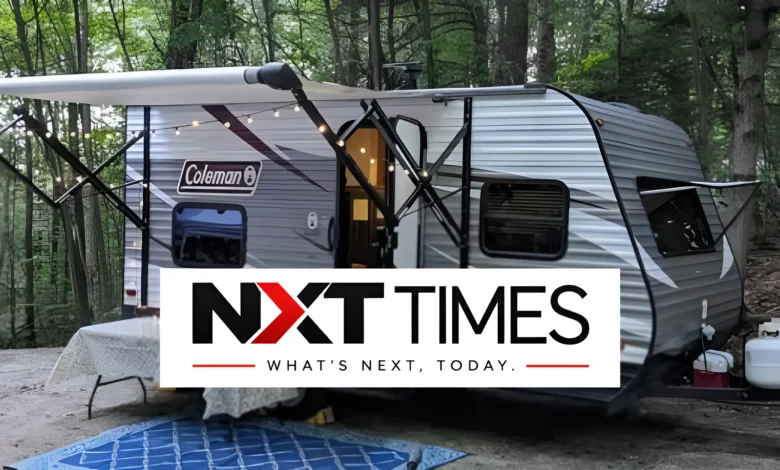
If you’re looking for a comfortable way to travel without giving up the convenience of home, Coleman travel trailers are worth considering. These towable RVs are designed for travelers who want sleeping space, living areas, kitchens, and other practical features in a package that can be pulled by a suitable vehicle.
Whether you’re planning weekend camping trips, family vacations, or longer road adventures, choosing the right travel trailer involves more than simply comparing floor plans. Towing capacity, trailer size, sleeping arrangements, storage, amenities, and overall ownership costs can all affect the experience.
This guide explains what to consider when shopping for Coleman travel trailers and how to determine which type may fit your travel needs.
What Are Coleman Travel Trailers?
Coleman travel trailers are towable recreational vehicles built for camping and road travel. Unlike motorhomes, they do not have an engine or driver’s cabin. Instead, they are connected to a compatible tow vehicle using a trailer hitch.
The main advantage of this setup is flexibility. Once the trailer is parked at a campground, the tow vehicle can be used separately for sightseeing, shopping, or other activities.
Travel trailers can also provide more interior living space than many smaller camping options. Depending on the floor plan, buyers may find dedicated sleeping areas, kitchens, bathrooms, dining spaces, and convertible furniture.
Why Consider Coleman Travel Trailers?
Variety of Floor Plans
One of the most important features of a travel trailer is its layout. Different floor plans can prioritize different needs.
A couple may prefer a compact design with an efficient kitchen and comfortable sleeping area, while a family may need additional beds, a larger dining area, and more storage.
Before choosing a trailer, consider how many people will regularly use it and whether everyone needs a dedicated sleeping space.
Convenient Camping Experience
A travel trailer can make camping more comfortable by providing amenities that are difficult to take along in a tent.
Depending on the model and configuration, features may include:
- Sleeping areas
- Kitchen facilities
- Bathroom space
- Dining or lounge areas
- Storage cabinets
- Refrigeration
- Heating and cooling equipment
- Entertainment features
The exact equipment varies by model, trim level, floor plan, and model year, so buyers should always check the specifications of the specific trailer they are considering.
How to Choose the Right Coleman Travel Trailer
Choosing the right trailer starts with understanding your own travel habits.
1. Check Your Vehicle’s Towing Capacity
Towing capacity should be one of the first things you investigate.
A trailer’s advertised weight is only part of the equation. You should also consider passengers, cargo, water, camping equipment, and other items that may increase the actual towing load.
Never select a trailer simply because its empty or advertised weight appears to fit within your vehicle’s maximum rating. Check your vehicle manufacturer’s towing specifications and account for the trailer’s loaded weight.
2. Think About Sleeping Capacity
The number of people using the trailer can quickly influence which floor plan makes sense.
Couples may prioritize a larger bed and more living space, while families may need bunk beds or convertible sleeping areas.
Consider how the sleeping arrangement works in real life rather than relying only on the maximum sleeping capacity listed for a trailer.
3. Compare Trailer Size
Larger trailers can provide more living space, but they can also be more demanding to tow, park, and maneuver.
Smaller trailers may be easier to handle and can work well for travelers who spend more time outdoors than inside the RV.
The ideal size depends on your tow vehicle, travel style, campsite preferences, and the number of people using the trailer.
4. Consider Storage
Storage becomes especially important during longer trips.
Look for a combination of interior cabinets, exterior storage compartments, pantry space, and other areas where camping equipment can be organized.
Think about what you actually travel with, including clothing, cooking equipment, outdoor chairs, tools, food, and recreational gear.
New vs. Used Coleman Travel Trailers
Buying new is not the only option. A used travel trailer can potentially provide access to a suitable layout at a lower purchase price, but condition matters.
Advantages of Buying New
A new trailer may offer:
- Current features and floor plans
- Less initial wear
- Manufacturer warranty coverage where applicable
- More options for selecting a preferred configuration
However, a new trailer can have a higher purchase price, and buyers should also consider taxes, registration, insurance, maintenance, and camping expenses.
Advantages of Buying Used
A used trailer may be attractive to buyers working with a tighter budget.
It can also provide an opportunity to find a floor plan that is no longer offered on newer models.
However, inspect a used trailer carefully. Check for signs of water intrusion, soft flooring, roof problems, damaged seals, appliance issues, tire wear, and electrical or plumbing problems.
If possible, have a qualified RV technician inspect the trailer before purchasing it.
What to Inspect Before Buying
Whether you’re buying new or used, a detailed inspection can prevent expensive surprises.
Pay attention to:
Exterior Condition
Inspect the roof, seams, windows, doors, storage compartments, awnings, tires, and exterior panels.
Water damage is particularly important because it can lead to structural problems if it has been present for a long time.
Interior Condition
Check floors, walls, ceilings, cabinets, furniture, mattresses, appliances, lights, and fixtures.
Look for unusual odors, stains, discoloration, soft spots, or signs that water has entered the interior.
Mechanical and Electrical Systems
Test the trailer’s lighting, electrical outlets, appliances, air conditioning, heating system, plumbing, and other available equipment.
For a used trailer, ask for maintenance records when available.
For more helpful guides and the latest updates, visit nxttimes.com.
Understanding the True Cost of Ownership
The purchase price is only one part of the cost of owning a travel trailer.
Owners may also need to budget for:
- Tow vehicle fuel
- Insurance
- Registration
- Routine maintenance
- Tires
- Repairs
- Camping or campground fees
- Hitch equipment
- Storage
- Cleaning and winterization where applicable
A realistic ownership budget should include both predictable annual expenses and unexpected repairs.
Are Coleman Travel Trailers Good for Families?
Travel trailers can be a practical option for families because they combine sleeping areas, food preparation space, storage, and living space in one towable unit.
The best choice depends on the family’s size and travel habits.
Families should pay particular attention to bunk layouts, bathroom access, kitchen space, storage, and the trailer’s loaded weight. A floor plan that looks spacious on paper may feel different once everyone and their belongings are inside.
Are Travel Trailers Suitable for Long Road Trips?
They can be, but long-distance travel requires more preparation.
Before a major trip, owners should check tire condition, wheel-related components, lights, brakes, hitch connections, fluid systems, and other important equipment.
It is also useful to plan fuel stops and overnight locations around the capabilities of the tow vehicle and trailer.
Good weight distribution and proper loading are important for a safer and more comfortable towing experience.
Tips for First-Time Travel Trailer Buyers
First-time buyers can avoid many mistakes by slowing down the purchasing process.
Make a Realistic Checklist
Write down the features you actually need before visiting dealerships or browsing listings.
Separate essential features from optional upgrades.
Don’t Buy More Trailer Than You Need
A larger trailer may appear more comfortable, but additional size can make towing and parking more challenging.
Choose based on your actual travel needs rather than simply selecting the largest trailer your budget allows.
Practice Towing
If you’re new to towing, practice in a controlled area before taking a trailer onto a busy highway.
Learn how to turn, brake, reverse, connect the trailer, and perform basic safety checks.
Consider the Tow Vehicle
The trailer and tow vehicle should be treated as one system.
Review the vehicle’s towing and payload ratings and make sure the complete setup stays within the manufacturer’s limits.
Conclusion
Coleman travel trailers can offer a practical balance between mobility and camping comfort. The right choice depends less on having the biggest or most feature-packed trailer and more on finding a layout and weight that match your travel style and tow vehicle.
Before buying, compare floor plans, check towing requirements, inspect the trailer carefully, and calculate the complete cost of ownership. Taking those steps can make your RV purchase more practical and help you get more enjoyment from future road trips.
Frequently Asked Questions
Are Coleman travel trailers good for beginners?
They can be suitable for beginners, particularly when the buyer chooses a manageable size and has an appropriate tow vehicle. New owners should learn basic towing, loading, hitching, and trailer maintenance before taking longer trips.
What size tow vehicle do Coleman travel trailers require?
The required tow vehicle depends on the specific trailer’s weight and configuration. Buyers should compare the trailer’s loaded weight with the tow vehicle manufacturer’s towing and payload ratings rather than relying on a general vehicle category.
Are used Coleman travel trailers worth buying?
A used travel trailer can be a good option when it has been properly maintained and passes a thorough inspection. Buyers should pay special attention to water damage, tires, roof condition, appliances, plumbing, electrical systems, and structural components.
What should I look for in a Coleman travel trailer?
Start with towing compatibility, floor plan, sleeping capacity, storage, bathroom facilities, kitchen layout, overall condition, and expected ownership costs. Your travel style should determine which features matter most.
Can a travel trailer be used for family vacations?
Yes. Travel trailers can provide sleeping areas, kitchens, bathrooms, storage, and living space, making them useful for family camping and road trips. The ideal layout depends on the number of travelers and how much interior space they need.




One Comment